Green Deal for Sustainable Development

Ribbon_START

Climate change is now affecting every country on every continent. It is unsettling national economies and affecting lives, pressuring people, communities and countries enormously today and even more tomorrow. Extreme heatwaves, droughts, floods, rising water and forest fires force populations to massively displace, exacerbating the refugee crisis. We need to act before we reach the path of an inhabitable world with no chance of controlling global warming.

In a situation so global and so devastating we need to make significant changes to our unsustainable socio-economic model which is based on the neoliberal illusion of unlimited growth. The coronavirus crisis has shown how vulnerable we are, and how important it is to restore the balance between human activity and nature. If we want to minimize the risk of new outbreaks, we must deal with its root causes; the destruction of natural habitats and the loss of biodiversity through the exploitation of wild life. But we should not wait for the end of COVID to put forward immediate policies for the climate emergency, since pandemics and climate change are twin crises with the same cure.

In the 2015 Paris U.N. Climate Agreement, 189 countries, with the main exceptions being Turkey and Iran, pledged to keep the increase in global average temperature to well below 2 °C by reducing greenhouse gas emissions. Today, five years after Paris Agreement, little has been done especially by the big pollutants. USA being responsible for the 15% of global emissions signed out of the Paris agreement during the Trump Administration and China, responsible for 30%, remains on the road of unlimited growth generating pollution and depletion of finite resources.

An exception that brings optimism is the European Union’s Green Deal announced by the EU Commission in 2019, the most far-reaching plan to achieve sustainable development in a major world region. The EU, responsible for 9% of global greenhouse gas emissions, has created a roadmap towards sustainability not only in the field of energy generation but also in food production, transport, manufacturing and construction etcetera. The EU Green Deal is an extremely important example for the other countries and Europe has now taken on the mantle of global green leadership and can convince other countries to follow suit. 

As the UN Inter-Governmental Panel on Climate Change has warned, we are entering the most critical decade and averting the worst-case climate scenario will depend entirely on the actions taken (or not taken) in the 2020s.  

Europe’s Green Deal Gives Reasons for Optimism

Europe’s Green Deal announced in December 2019 by the European Commission, is the first comprehensive plan to achieve sustainable development in a major world region of a 27-country bloc, as a response to the challenges of climate change and ecological emergency.

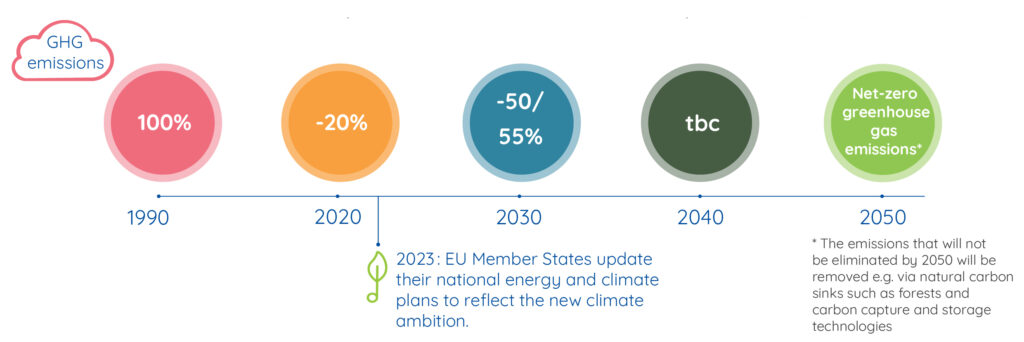
At the core of the plan is a 55% cut in emissions by 2030 (compared to 1990 levels) and to reach “climate neutrality” (net-zero greenhouse-gas emissions) by 2050 – along with action plans for other environmental goals such as halting species loss, cutting waste and better use of natural resources.

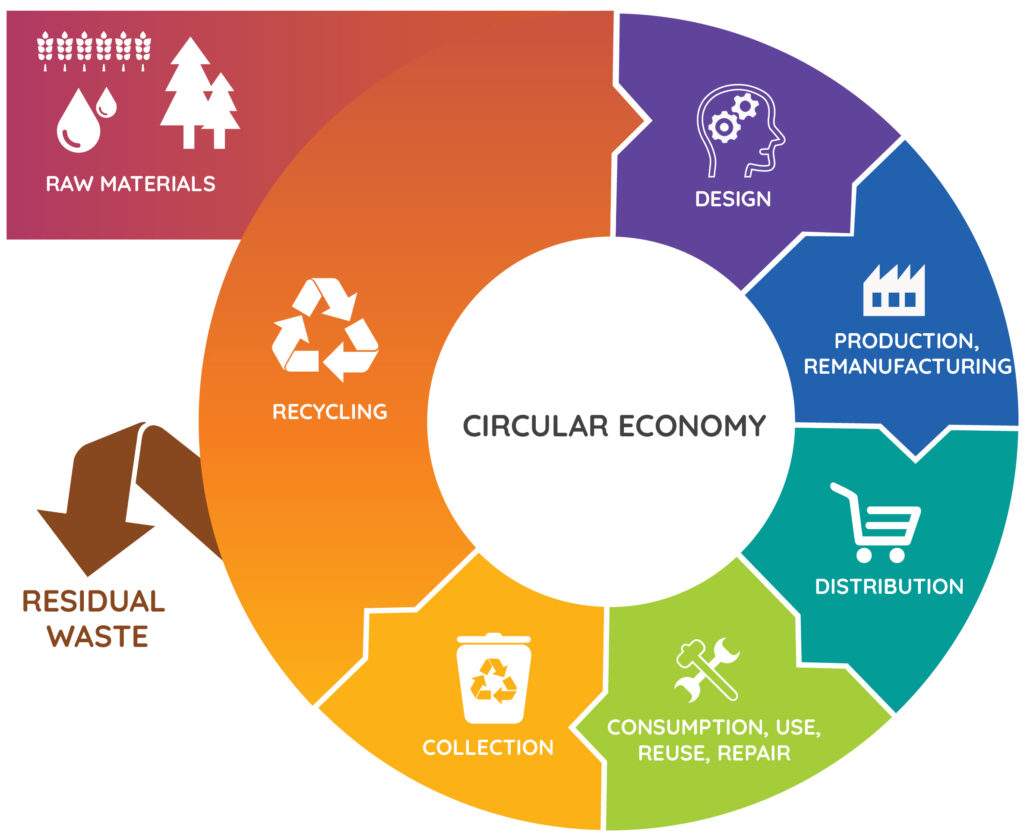
In the light of the environmental imperatives, nearly every aspect of the European economy is to be re-evaluated, including energy generation and consumption; food production; transport; manufacturing and construction. A circular economy will end the destructive pollution caused by plastics, petrochemicals, pesticides, and other waste and toxic substances; and a “farm to fork” food system that neither harms people with an overly processed diet nor kills the land will be put into practice, outplacing unsustainable agricultural practices. Κey sectors of common policies, like the Common Agricultural policy and Research and Development, will be revamped and there will be a detailed roadmap of “50 actions for 2050” for other sectors. Furthermore, the New European Bauhaus integrates creative design, art and culture into the greening of buildings and city landscapes projects, making the European Green Deal more human-centered and attractive to the people.

Nothing similar has been attempted before, as previous efforts were fragmentary, limited in scope and funding, and sometimes ineffectual in execution. Europe’s Green Deal sounds ambitious and it is. After all, the European commission president, Ursula von der Leyen, called it “Europe’s man on the moon moment”.

Yet big challenges should be addressed.

A grand transformation towards climate-neutrality must overcome status quo interests, and strong lobbies like Big Oil, while support those left behind by the transition. To mitigate the societal costs, the EU has created the Just Transition Fund, aiming to support carbon-intensive regions by focusing on economic diversification. The Commission also believes that the investments will act as multipliers, and jobs will be created in new industries, from renewable energy to electric vehicle manufacturing and sustainable building.

A grand transformation towards climate-neutrality must overcome status quo interests while support those left behind by the transition

Another challenge concerns the laborious EU processes needed for the approval of the many new environmental legislations by the Council and the European Parliament (EP). The EP has raised the bar on green action, by declaring in 2019 a ‘climate and environmental emergency’ with a resolution that was adopted with a big majority. But some governments, especially those of countries with higher economic dependency on fossil fuels, prefer to postpone green plans to avoid reactions of the affected citizens. Τhus, citizens’ interests should be taken into account and the Commission rightly considers that active public participation and confidence in the green transition are vital for the extensive reforms’ success.

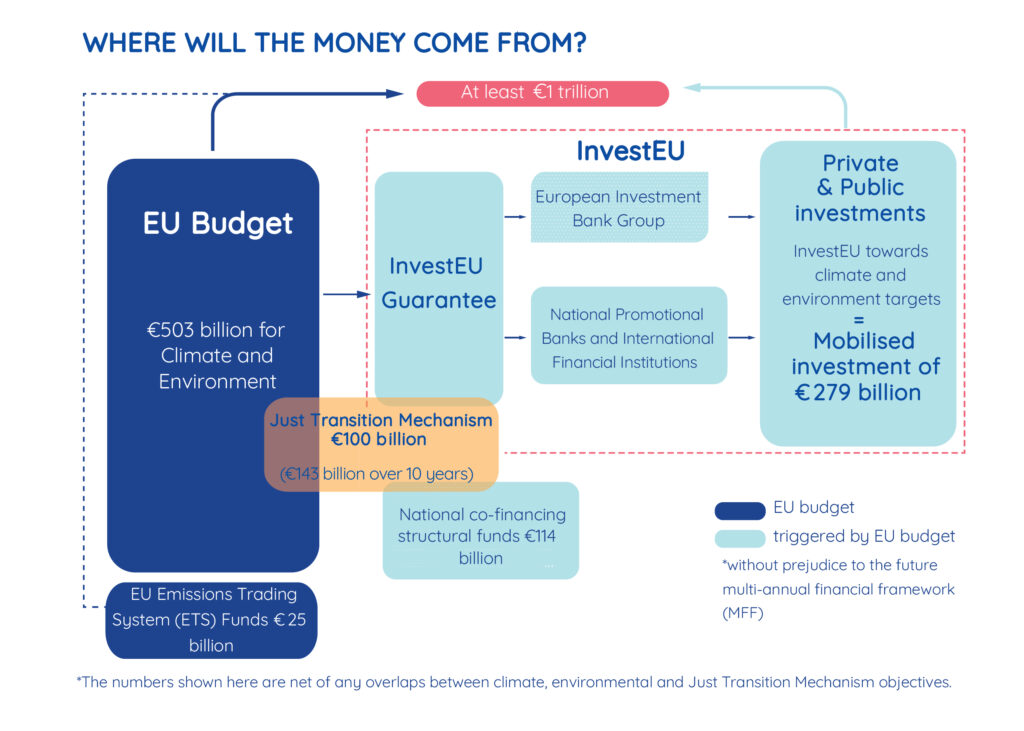
Financing is also an important challenging issue. Currently, the European Green plan, projects in mobilizing at least €1trillion in both public and private sustainable investments over the next decade, targeting new infrastructure, public procurement, R&D, and industrial retooling.  This is expected to be financed by the EU budget, the European Investment Bank (EIB) through the mechanism InvestEU, national co-financing, and the private sector. It is early to judge if €1 trillion is sufficient or not as critics suggest, but perhaps more new mechanisms should be put in place to ‘unleash the green investment wave’ that is needed.

active public participation and confidence in the green transition are vital for the extensive reforms’ success

The last big challenge is diplomacy. The EU must be at the forefront of coordinating international efforts and use its influence, expertise, and financial resources to mobilise neighbours and partners to develop similar policies. The environmental ambition of the European Green Deal cannot be achieved by Europe alone, since the causes of climate change and biodiversity loss are global and not limited by borders. Even if Europe successfully implements the Green Deal, it will be futile if the other big emitters fail to match its efforts. The European Union can build on its strengths as a global leader on climate and environmental measures, consumer’s protection, and workers’ rights.

Europe has made a historic breakthrough with its ambitious, inspiring, and feasible Green Deal, and in a world of uncertainty and instability is a reason for optimism. It has the collective ability to transform its economy and society and put it on a more sustainable path.

What if we DO NOT ACT?

The cost of the transition will be big, but the cost of non-action will be much bigger.Ursula von der Leyen, President of the European Commission
Air_pollution_01
Fire_03
Flood_02_Paris
pexels-pixabay-60013

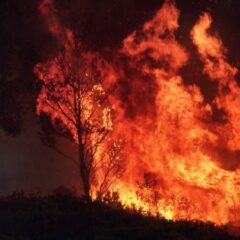
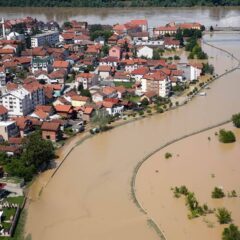
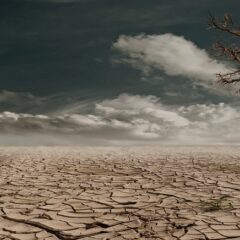
‘Business as Usual’ will cause in immense humanitarian and financial damage in Europe on an annual basis.

The Humanitarian Cost:

The Financial Cost:

  • 400,000 premature deaths from air pollution
  • 90,000 deaths as a result of heatwaves
  • 500,000 people exposed to river flooding
  • 2,000,000 people exposed to coastal inundation
  • If temperature rises by 2oC, Europe could suffer €120 billion annual losses
  • If temperature rises by 3oC, Europe could suffer €240 billion annual losses

Where Will the Money Come from?

Investment plan for the next 10 years

Becoming the first climate-neutral bloc in the world requires significant investment. Under the current plan, the Commission projects that at least €1 trillion will be needed for the next 10 years. The biggest share will be financed by the EU budget, but the private sector as well as the national public sector, encouraged to make green investments by loan guarantees from the European Investment Bank, are expected to play a crucial role.  

To make the transition fair and inclusive, a Just Transition Mechanism has been included. The mechanism will provide financial and practical support to regions and sectors most affected by the transition, mainly because of their dependence on fossil fuels or carbon-intensive processes.

Circular Economy: Repair, Reuse & Recycle

A circular economy is an approach designed to eliminate waste. In contrast to the linear model ‘take-make-waste’, a circular economy’s objective is the continual use of finite resources and to minimize the use of new resource inputs and the creation of waste, pollution, and carbon emissions.

Moving towards a more circular economy could deliver benefits such as reducing pressure on the environment, improving the security of the supply of raw materials, increasing competitiveness, stimulating innovation, boosting economic growth, creating jobs (580,000 jobs in the EU alone).

The Circular Economy Action Plan

  • Make sustainable products the norm in the EU;
  • Focus on the sectors that use most resources;
  • Concentrate on the sectors with high potential circularity;             
  • Ensure less waste;
  • Lead global efforts on circular economy.

Biodiversity

Biodiversity loss and ecosystem collapse are two of the biggest threats that humanity faces over the next decade. We are losing nature like never before because of unsustainable human activities. The global population of wild species has fallen by 60% over the last 40 years and 1 million species are at risk of extinction. This suggests that tackling nature and problems of biodiversity is becoming more urgent than ever if we want to preserve our planet in its current state.
Biodiversity loss and climate crisis are interdependent. Thus, restoring forests, soils and wetlands and creating green spaces in cities is essential to achieving the climate change mitigation needed by 2030. The actions of protecting nature, sustainable use and restoration will also bring economic benefits to local communities, creating sustainable jobs and growth.

From Farm to Fork

The Farm to Fork policies aim to create a more healthy, affordable, and sustainable food system. It is estimated that in the EU in 2017 over 950,000 deaths were attributable to unhealthy diets. A healthy and plant-based diet reduces both the risk of life-threatening diseases and the environmental impact of our food system. Furthermore, antimicrobial resistance linked to the use of antimicrobials in animal and human health leads to an estimated 33,000 human deaths annually in the EU.

The first target for 2030 is to reduce:

  • the use of chemical and hazardous pesticides by 50%;
  • nutrient losses by 50%;
  • fertilizer use by 20%;
  • the sale of antimicrobials for farmed animals and in aquaculture by 50%
Another important focus will be organic farming, which reduces soil erosion and recycles animal wastes back into the farm. The goal is that by 2030, 25 % of total farmland to be used for organic farming.

At the heart of the Green Deal the Biodiversity and Farm to Fork strategies point to a new and   better balance of nature, food systems and biodiversity; to protect our people’s health and well-being, and at the same time to increase the EU’s competitiveness and resilience.”  – Frans Timmermans, Executive Vice-President of the European Commission

The European Union As a Global Leader

The consequences of climate change and environmental degradation provoke disasters that are not limited by borders and to prevent them, global cooperation is needed. The European Union through leading by example and with the use of climate partnerships is becoming a global leader which is at the forefront of coordinating international efforts.
Leading by example through the European Green Deal

The EU Green Deal is a global benchmark for tackling climate change and provides a robust roadmap towards a green economy. The EU is the first major economy to steadily reduce greenhouse gas emissions, is financing more than 40% of the world’s public climate investment, is following the guidelines set up by the Paris agreement and is on board with the United Nation’s Agenda 2030.

Projection of EU GHG reduction, taking 1990 as the base year.
Using diplomacy, trade & development cooperation for climate action

The European Union being:

• the largest economy in the world;
• the second global player for international trade;
• the world’s leading donor, representing 55.2% of global assistance

is enhancing sustainability commitments with the rest of the world and will:

• engage the G20 countries who are responsible for 80% of green gas emissions;
• work with Africa to prioritize climate action;
• establish climate partnerships with eastern and southern neighbors;
• build Green Alliances in Latin America, the Caribbean, Asia and the Pacific.

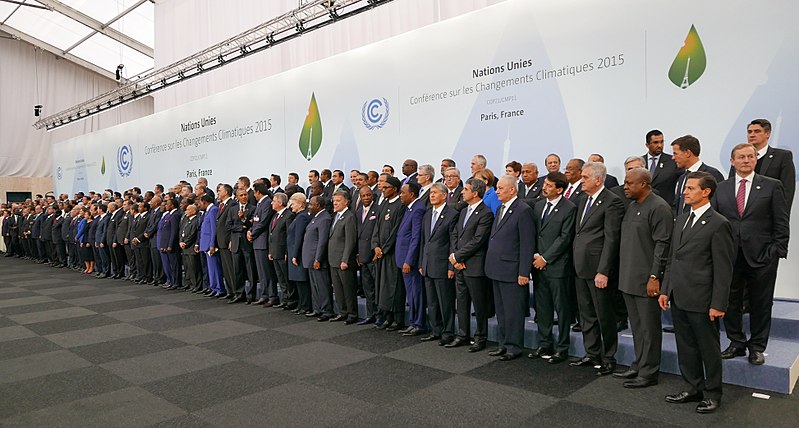
The Paris Agreement was signed by 189 countries in 2015